
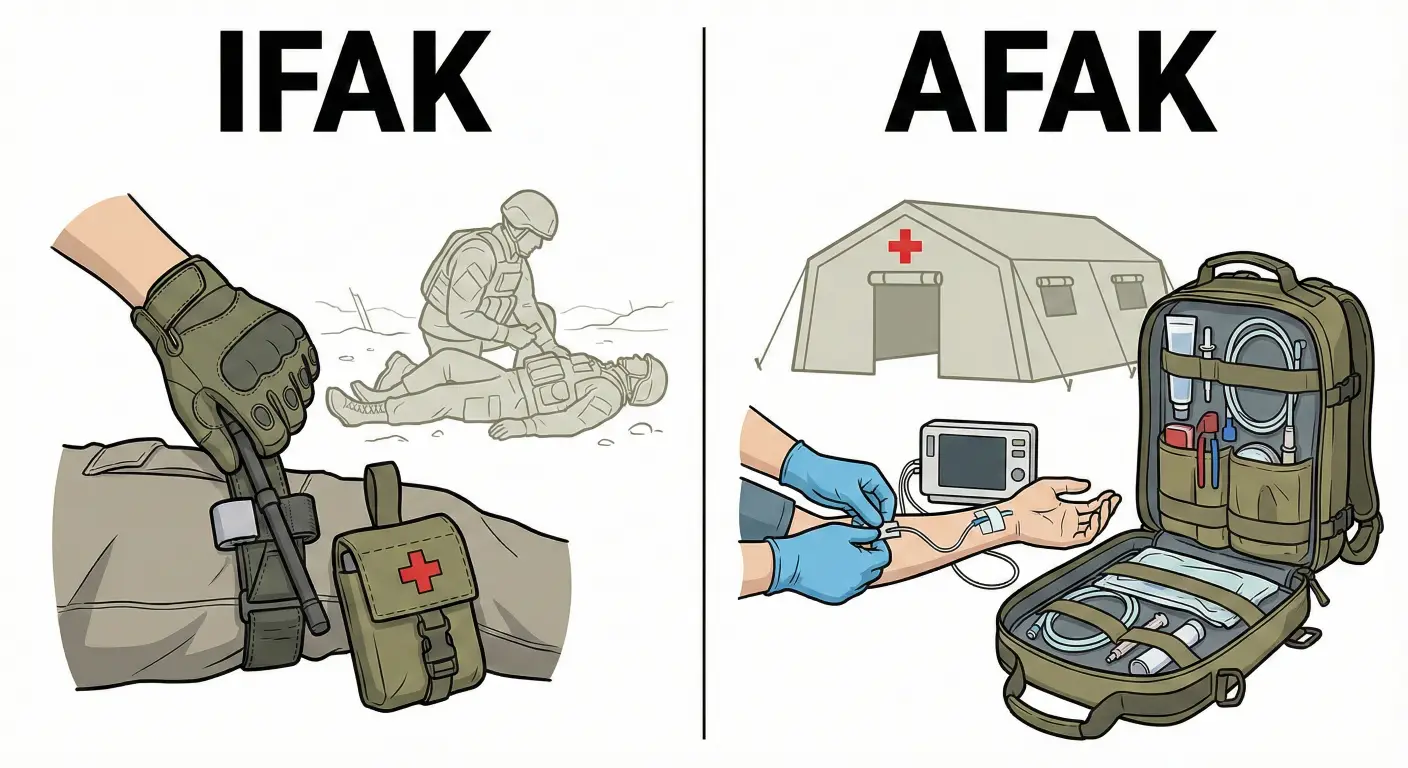
Choosing between two first aid kits becomes much easier when you understand the purpose, design, and features of each option. While both kits are created to support safety and preparedness, they often serve different situations and user expectations. Comparing them carefully helps users select a kit that matches their environment, activity level, and emergency readiness goals.
Purpose and Intended Use
One of the biggest differences between first aid kits is the type of situation they are designed to handle.
Basic Everyday Kit
This type of kit is commonly designed for:
- Minor cuts and scrapes
- Small burns and bruises
- Daily household use
- School or workplace needs
- Light outdoor activities
It focuses on convenience, portability, and quick access to common medical supplies.
Advanced Emergency Kit
A more advanced kit is usually built for:
- Serious injuries
- Outdoor adventures
- Emergency preparedness
- Long travel situations
- High-risk environments
These kits often include additional tools and more afak vs ifak durable packaging for demanding conditions.
Variety of Medical Supplies
The number and type of supplies included can greatly separate two kits.
Standard Kit Contents
A regular first aid kit may contain:
- Adhesive bandages
- Gauze pads
- Antiseptic wipes
- Medical tape
- Cotton swabs
- Disposable gloves
These items are ideal for handling common injuries quickly and efficiently.
Expanded Kit Contents
An upgraded kit may include:
- Trauma dressings
- Emergency blankets
- Elastic wraps
- Splints
- Instant cold packs
- Safety scissors
The broader selection allows users to respond to a wider range of emergencies with confidence.
Storage and Organization
The way supplies are arranged also creates an important distinction.
Compact and Lightweight Design
Some kits prioritize portability by offering:
- Small carrying cases
- Lightweight materials
- Easy shelf storage
- Simple compartment layouts
These are excellent for daily convenience and quick transportation.
Rugged and Structured Design
Other kits focus more on durability and accessibility through:
- Reinforced outer cases
- Water-resistant materials
- Labeled compartments
- Heavy-duty zippers
- Organized internal sections
This style improves efficiency during stressful moments and keeps supplies protected.
Preparedness Level
Different kits support different levels of emergency readiness.
Entry-Level Preparedness
A simple first aid kit works well for users seeking:
- Basic protection
- Easy-to-use supplies
- Everyday reassurance
- Quick treatment options
It is often suitable for families, offices, and personal vehicles.
Higher-Level Preparedness
A larger emergency-oriented kit supports users who want:
- Greater medical coverage
- More advanced response tools
- Extra preparedness for unexpected situations
- Supplies for multiple people
This option is especially helpful during longer outings or situations where immediate assistance may not be available.
Ease of Customization
Another major difference is how easily the kit can be expanded.
Flexible Basic Kits
Many compact kits allow users to:
- Add personal medications
- Include extra bandages
- Store small medical tools
- Replace supplies easily
Feature-Rich Advanced Kits
Larger kits usually provide extra space for:
- Additional emergency equipment
- Backup supplies
- Survival accessories
- Specialized medical items
This flexibility supports long-term preparedness and personalized organization
Both first aid kits offer valuable benefits, but their differences come down to purpose, supply range, durability, and preparedness level. A smaller kit delivers convenience and simplicity for everyday situations, while a more advanced option offers broader support for demanding conditions. Understanding these distinctions helps users choose a kit that provides comfort, readiness, and peace of mind whenever emergencies arise.
