
Performing proximity sensor tests plays a crucial role in maintaining smooth automation environments where accurate detection ensures consistent performance and safety across operations
Why Proximity Sensor Testing Matters
In automated systems proximity sensors are essential for detecting objects position and movement regular testing ensures they remain accurate responsive and reliable helping reduce unexpected system failures and inefficiencies
Key Benefits of Regular Testing
Regular testing of proximity sensors provides multiple operational advantages including
- improved system uptime through early detection of sensor issues
- reduced downtime by preventing unexpected shutdowns
- enhanced operational safety in automated processes
- better accuracy in object detection and positioning
- increased efficiency in maintenance scheduling and diagnostics
These advantages collectively ensure smoother workflow operations and improved productivity across industrial environments. Students learn proximity sensor test for practical automation knowledge.
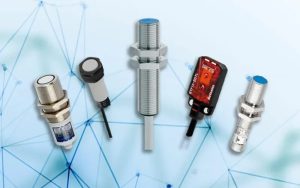
How Testing Reduces Downtime
Proximity sensor testing helps identify performance deviations before they escalate into major system failures enabling proactive maintenance and minimizing production interruptions
Preventing Operational Errors with Sensor Testing
By validating sensor accuracy regularly systems can avoid misreads false triggers and process inconsistencies leading to more stable automated workflows
Best Practices for Effective Testing
Effective proximity sensor testing includes routine inspection calibration verification and environmental checks to ensure optimal performance in varying operational conditions
Extended Benefits in Modern Automation Systems
In complex industrial environments proximity sensor testing not only improves reliability but also supports long term operational stability by ensuring consistent signal performance even under heavy usage conditions
It also helps organizations maintain compliance with internal quality standards and reduces the likelihood of costly maintenance interventions by identifying small issues early in the system lifecycle
Role of Predictive Maintenance Integration
Proximity sensor testing plays a significant role in predictive maintenance strategies allowing engineers to analyze sensor behavior trends and anticipate potential faults before they affect production output
This proactive approach helps extend equipment lifespan reduce repair costs and improve overall system resilience in demanding operational environments
Enhancing Operational Confidence
When sensors are regularly tested operators gain greater confidence in system outputs leading to smoother decision making and more efficient control processes
This confidence translates into faster troubleshooting reduced manual intervention and improved overall productivity across automated workflows
Summary of Impact
The impact of consistent proximity sensor testing is evident across multiple operational areas contributing to seamless automation and improved system longevity
Key operational impacts include
- fewer unexpected breakdowns
- improved process accuracy
- stronger system reliability
- optimized maintenance planning
- enhanced productivity levels
Overall these benefits reinforce the importance of regular sensor testing in modern industrial environments
Continuous improvement in testing methods ensures that evolving automation systems remain efficient accurate and highly dependable over time
This ultimately supports safer smarter and more reliable industrial operations worldwide consistently achieved